A jar of fish preserve, two poets
In the autumn of 1983, the Wenzhou-born scholar Nan Huaijin received a gift from a friend in Hong Kong: a jar of fish preserve from Wuweihe, a century-old food shop on Wuma Street. It was the finest "pickled white-fish" Wenzhou ever produced, packed for export in a Longquan celadon jar. The taste of home stirred him deeply, prompting him to forward a jar to his fellow townsman Ma Xingye, then living in Taiwan. The following day, Ma's poem of gratitude was published in Taiwan's Central Daily News:
Grateful for the gift of native tastes, home memories linger long;
Yandang's peaks and Ouhai's streams breathe their native fragrance.
Tears of longing for my kin well up before my eyes —
I long to taste the fish preserve, yet hesitate to try.
Moved by the gesture, Nan Huaijin replied with a seven-character regulated verse of his own. The two had been friends since wartime Chongqing; now, across the Taiwan Strait, a single jar of Wenzhou fish preserve carried decades of shared nostalgia back home. This poetic exchange became a celebrated emblem of Wenzhou's cultural soul and the bittersweet longing of its diaspora.
The Nanxi Opera Banquet
"Nanxi is the ancestor of all Chinese opera, and its birthplace is Wenzhou." In November 2022, at the launch ceremony of the Wenzhou Guci Academy, the Nanxi Opera Banquet made its debut. Envisioned by academy president Chen Deqi, it was designed as a "poetic, musical, and artistic feast" reflecting the refined aesthetics of the Song dynasty. The menu draws from the five classic Nanxi plays — The Story of the Pipa, The Story of the Hairpin, The Story of the White Rabbit, The Story of the Moon Pavilion, and The Story of the Dog-Killing Persuasion — "translating theatrical scenes into culinary art through form and symbolism." Dishes inspired by The Story of the Pipa include "Melodies on the Pipa" and "Cutting Hair to Bury the In-Laws"; The Story of the Hairpin yields "The Hairpin Betrothal" and "Top Scholar at Court"; while The Story of the White Rabbit inspires "Sanniang at the Millstone" and "Gold and Jade Filling the Hall." In 2025, the concept evolved into the Nantang Opera Banquet, featuring live guzheng and pipa performances, traditional hanfu dressing services, and immersive dining set among pavilions and waterside terraces.
Poetry for every dish
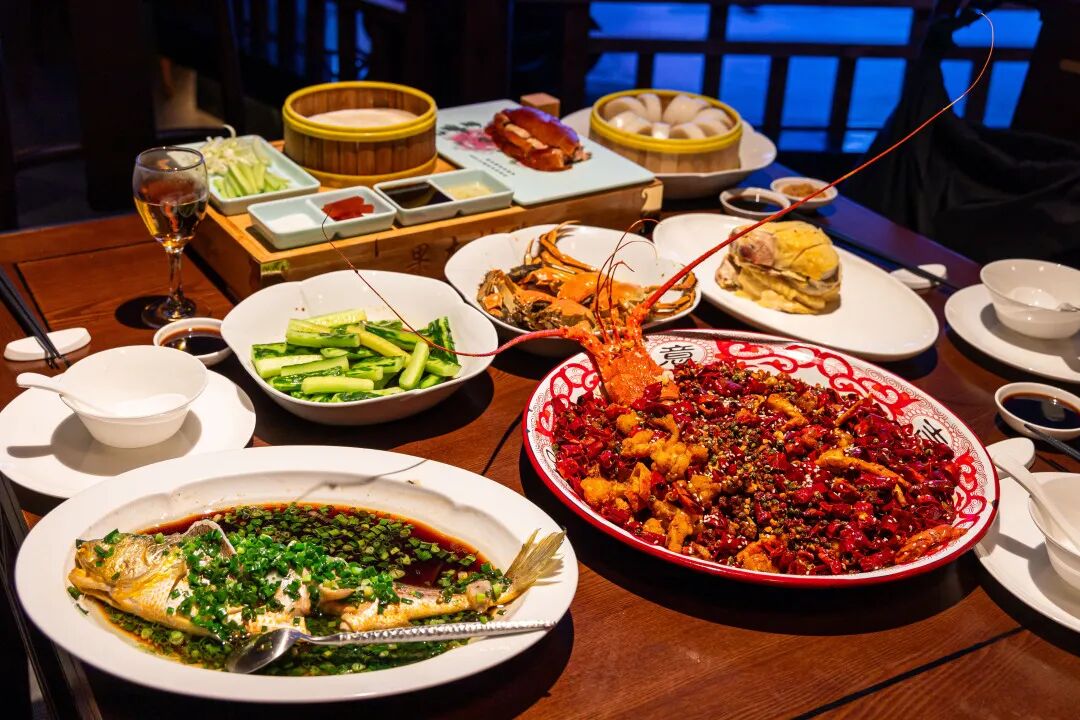
In 2024, Wenzhou unveiled the "Jiangxin Poetry Banquet" and the "Nanxi River Poetry Banquet," transforming verse into cuisine and landscapes into edible art. Jiangxin Island's ten legendary vistas — including Spring City Mist and Rain, Moonlight over the Ou River, and Returning Sails to Distant Shores — were each paired with a poem by Qing dynasty poet Lin Qiheng and a corresponding course: ten views, ten poems, ten plates, ranging from "Scallion-Oil Double Yellow Croaker" to "Fish Maw and Citrus Sweet Soup." Before each course is served, a reciter intones the poem and explains its cultural symbolism. The Nanxi River edition translates the river's famous scenery into a "Landscape Poetry Banquet," which debuted at the Zhejiang Catering Consumption Festival in May 2024.
The scholar's feast and the writer's homecoming
At the annual Quxi "First Day of the Second Month" temple fair, the "Qi Jun Family Banquet" — traditionally known as the "Eight Plates and Five Bowls" (Ba Pan Wu) — gathers the comfort foods that Wenzhou-born Taiwanese writer Qi Jun cherished throughout her life: dried eel, fish cakes, cockles, Ou mandarins, soy-marinated duck, fried lamb tails, osmanthus rice cakes, wine-braised river eel, and her mother's Winter Solstice "Eight-Treasure Wine" — infused with black dates, lychees, longans, apricot kernels, dried tangerine peel, goji berries, Job's tears, and Chinese olives. The fair pairs these traditional dishes with the ceremonial unsealing of spring wine casks and public readings of Qi Jun's essays, soothing cross-strait nostalgia through shared flavors.
Edible figurines: rice sculpture
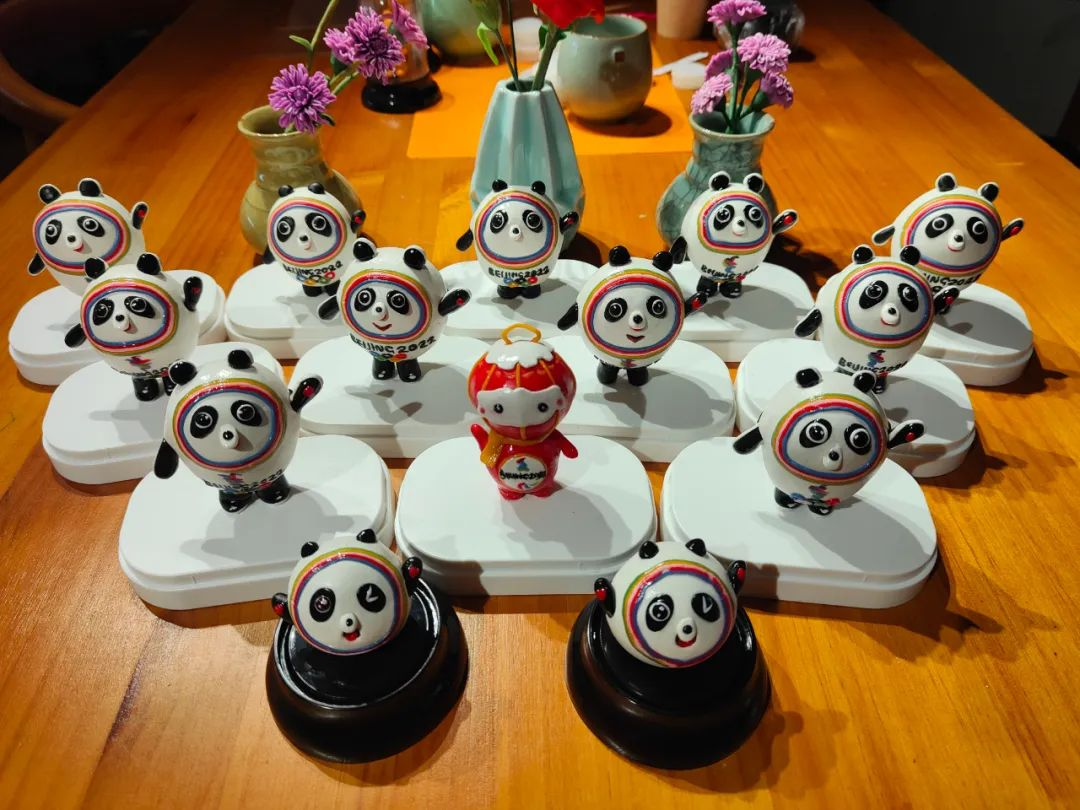
Wenzhou rice sculpture — an intangible cultural heritage craft of Zhejiang — transforms glutinous rice dough into vivid, colorful figurines for festivals and folk rituals. Young heritage practitioner Dong Xizao has showcased the craft in over 20 countries and regions, winning a gold medal at the 10th China Intangible Cultural Heritage Expo. Master Zhang Tianqing drew inspiration from the ancient Sanxingdui golden masks to "turn rice into gold," earning praise from Xinhua News Agency and driving over 145 million views on Weibo. His rice-sculpted "Bing Dwen Dwen" and "Black Myth: Wukong" figures have become hits among younger generations. In 2022, a 600,000-yuan commercial partnership with a local tea producer helped boost incomes for low-income farmers and workers with disabilities.
Vessel and food: Ou kiln meets Ou Cuisine
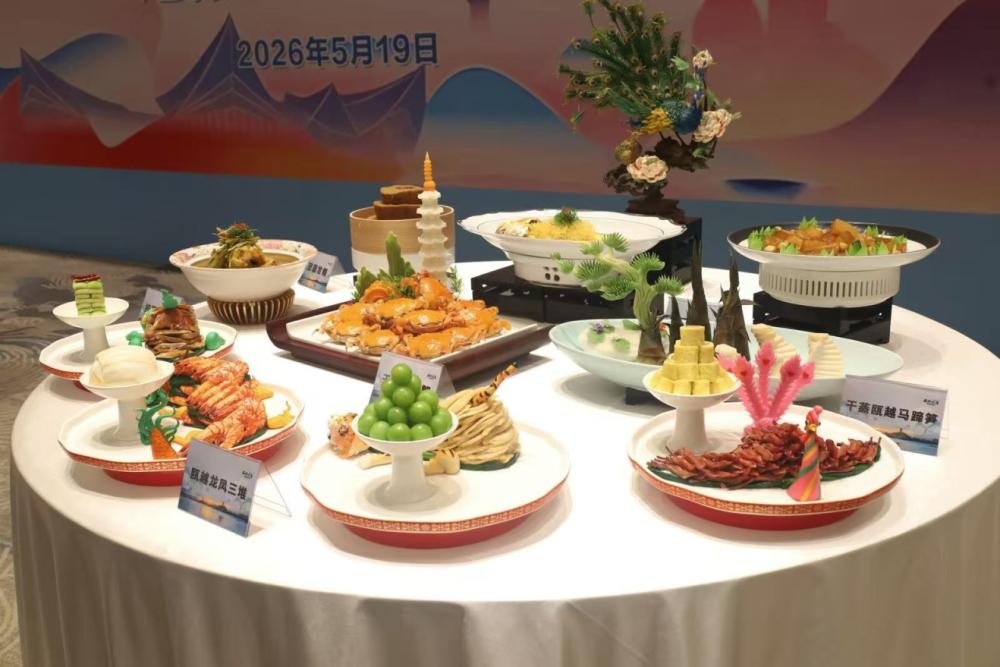
The Wenzhou chapter of the International Gastronomy Association collaborated with Master Chef Pan Xiaolin to present the "OU YES Ou Cuisine Dinner." Master ceramicist Chen Jingwei crafted bespoke Ou kiln stoneware for the occasion, while Marriott General Manager Richard Liu designed the wine carafes and gifts. At the 2024 Maritime Silk Road Mayors' Conference, the "Elegance of Ou" exhibition showcased fine Wenzhou dishes served on Ou kiln ceramics, surrounded by Yueqing fine-cut paper, colored stone inlay, Yongjia wood carvings, and stone sculptures. Seven intangible cultural heritage foods were highlighted, including Li Datong pastries, nine-steamed polygonatum, nine-steamed nine-dried ginger, and Pingyang yellow tea.
From screen to table
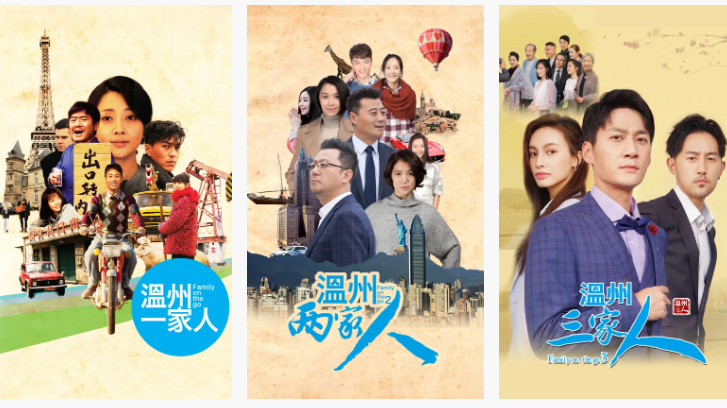
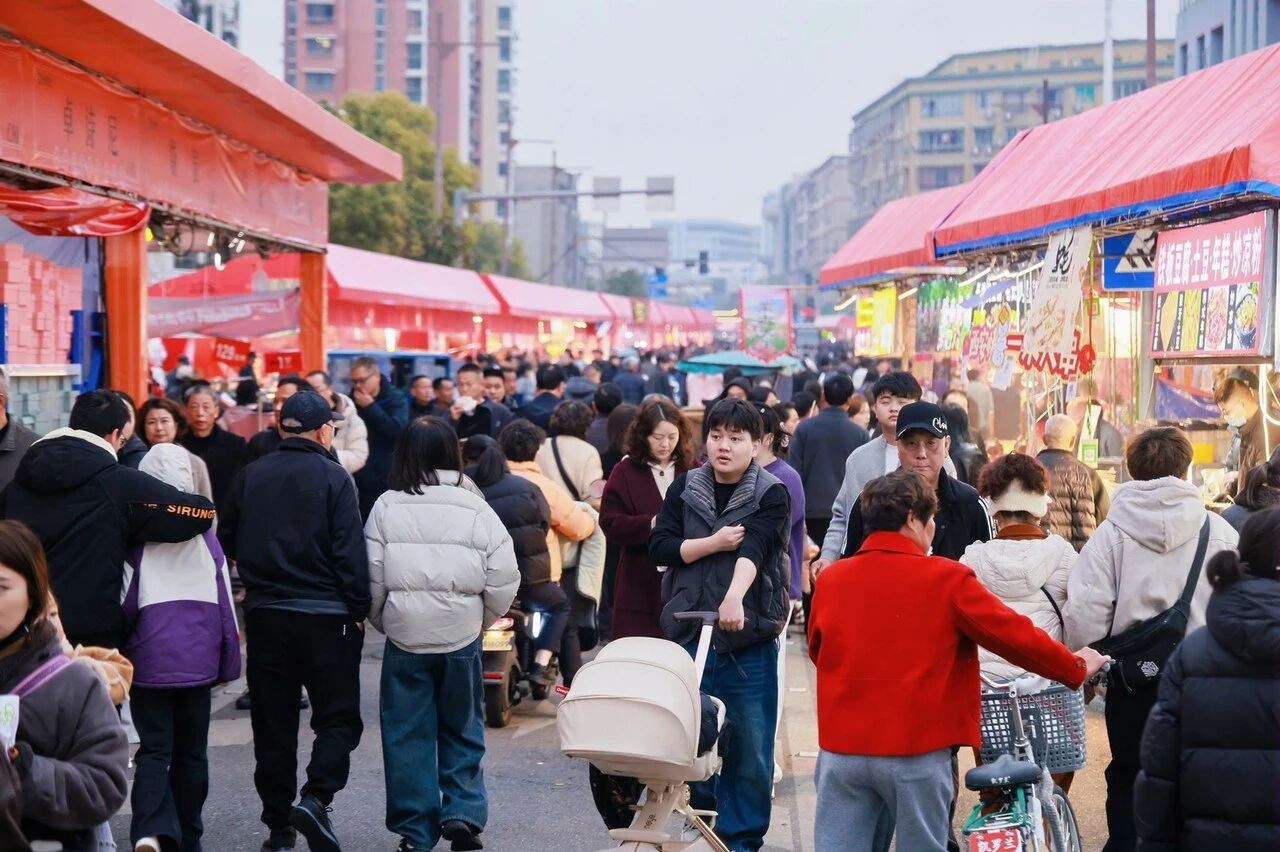
The CCTV prime-time broadcast of the Wenzhou-produced television trilogy The Family of Wenzhou brought iconic local flavors — such as pig-intestine noodle soup, Fan Shan meat-swallow dumplings, and Heding Mountain tea — into homes across China, serving as a national showcase for the city's culinary heritage. Meanwhile, in Yuhu Town, Wencheng County, Wenzhou built its first certified Cittaslow (International Slow City) by leveraging its deep diaspora connections. Featuring red wine, specialty coffee, and European cuisine along three "overseas trade" pedestrian streets, the town combines European-style architecture with a blooming flower economy, generating sustainable income for surrounding farming communities.