Taste Wenzhou ¡¤ Origin Story

Where Wenzhou's
Flavour Comes From

The answer is not found in a single dish. Mountains, sea and the seasons decide what the people of Wenzhou eat; generations of cooking hands turned that produce into Ou cuisine; and the footsteps of the Wenzhounese carried the taste out into the world.

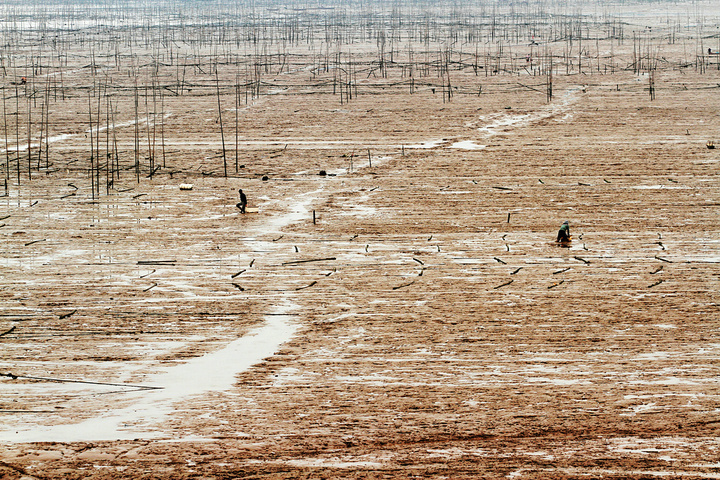
Coastal mudflats of Wenzhou
01 / TERROIR

Mountain¨CSea Produce

First, how one landscape delivers four seasons of freshness to the kitchen door.

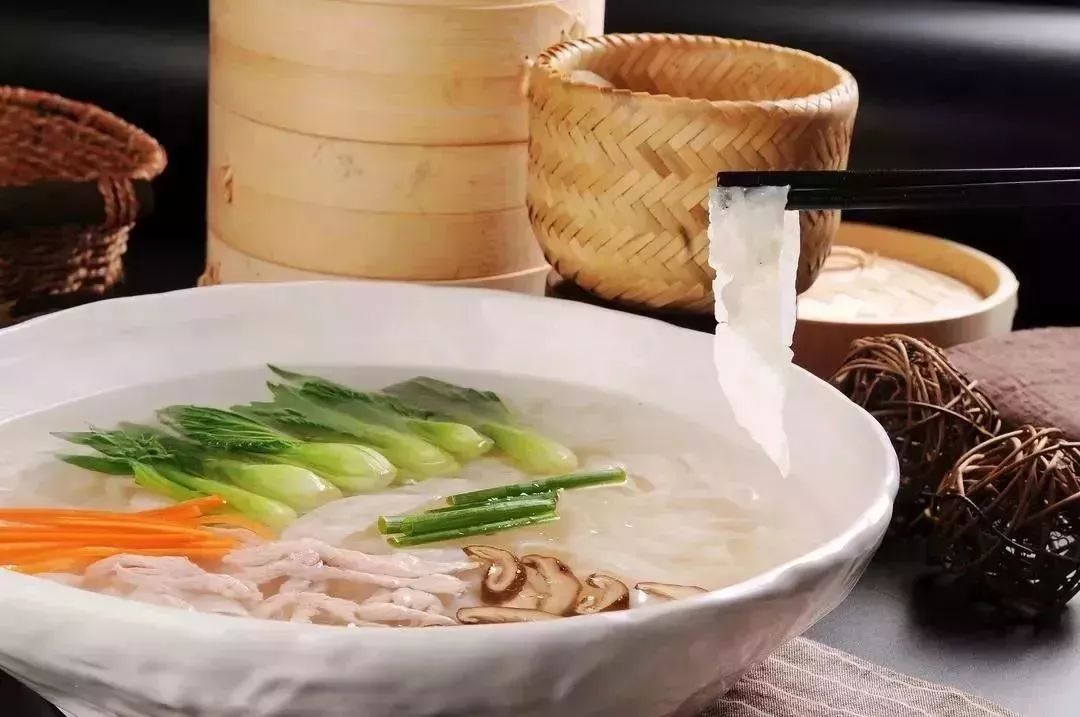
Wenzhou dishes
02 / HERITAGE

Living Ou Cuisine

Mountains and sea supply the ingredients; generations of hands turn freshness into a cuisine.

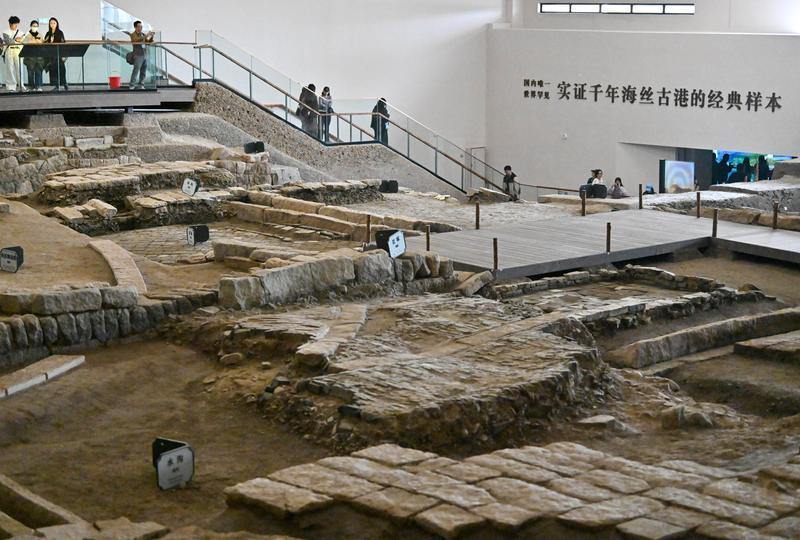
Historic port of Wenzhou
03 / NETWORK

Global Wenzhou

When craft leaves home, how does Wenzhou flavour keep growing around the world?

Chapter 01 / Terroir

Mountain and sea deliver
freshness on schedule

The deepest layer of flavour in Wenzhou cooking begins not with seasoning, but with a map of produce shaped by mountains, sea and river.

Coastal mudflats of Wenzhou

Wenzhou lies at roughly 120¡ãE, 28¡ãN ¡ª the southernmost city in Zhejiang province. Hills enclose it on three sides; the East China Sea opens to the east; the Ou, the Feiyun and the Ao rivers run down from the mountains into the sea. Bays, islands, mudflats, plains and hills are stacked within one city ¡ª putting entirely different ingredients on the same table. This is where Ou cuisine's basic flavour begins.

The sea: the first menu on the table

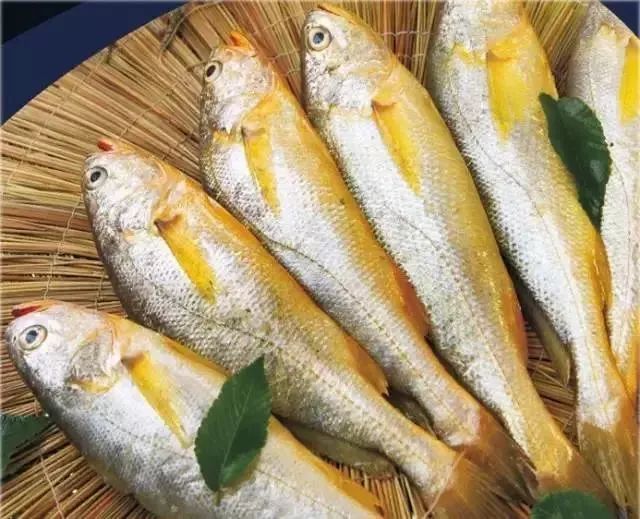
Near-shore fishing grounds and wide mudflats made fish, crab, shellfish and laver part of daily life. Large yellow croaker anchors a Wenzhou banquet ¡ª "no banquet is complete without croaker" ¡ª and in the eighth lunar month the returning fish are at their fattest. On Lingkun Island, a rhyme still tells you what to eat when; along the Cangnan coast, farmers tend a "garden on the sea", where the first cut of laver, from late November, is the tenderest and most intensely flavoured of the year.

Rivers and hills fill the calendar

Plains laid down by the rivers bring rice and wetland produce ¡ª rice noodles, New Year cakes and glutinous rice dishes form the backbone of daily meals ¡ª while the Sanyang Wetland has grown Ou mandarins, "bitter first, sweet after", for over a thousand years. In the hills, Chashan bayberries reach market in early June, Yongjia's Wuniuzao tea arrives about a month before West Lake Longjing, Wencheng has grown glutinous yam for nearly a thousand years, and Taishun's Sanbeixiang tea keeps its fragrance through cloud above 800 metres.
Freshness is not a step in a recipe. It is a way of life built along mountains, sea and the turning seasons.
Read the full standalone article

Mountain and sea bring freshness
to the kitchen door.
Next, the craft of human hands.

Chapter 02 / Heritage

The land gave ingredients;
craft turned them into Ou cuisine

What turns local produce into a cuisine is a long-formed sense of measure, method, and transmission from one generation of hands to the next.

Large yellow croaker

The people of Wenzhou call their cooking Ou cuisine ¡ª "Ou" is the city's ancient name. Its rule of thumb is "two lights, one heavy": light oil, light starch, heavy knife work, with steaming, poaching and simmering letting the ingredients speak for themselves. Every flavour stops just short of masking the ingredient itself ¡ª light without being thin, sweet without being cloying, salty without being heavy.

Freshness, kept by hand

In "pounded fish", a fillet is dusted with starch and beaten flat with a wooden mallet before poaching; scored cuttlefish curls open under heat like a flower; fish balls and fish cakes depend on proportions held in the cook's hands. At China's first national cooking competition in 1983, Jin Cifan set down a plate of fine fish shreds ¡ª each strip twenty centimetres long, thin as rice noodles ¡ª and took first place.

A cuisine is not a museum specimen

Ou cuisine lives on family tables, street stalls and in banquet halls, and it keeps being reunderstood by new cooks. In 1956, veteran chefs carried pounded fish and fried croaker to a provincial fair in Hangzhou; Pan Xiaolin later compiled the recipes into the book Zhongguo Oucai; Zhou Xiong won the national youth chefs' contest in 1990 and was recognised as a living inheritor of the craft. Listed as municipal intangible heritage in 2008 and provincial heritage in 2012, the tradition now has a fourth generation standing at the stoves.

To pass something down is not to copy the generation before ¡ª it is to keep a set of taste principles alive today.
Read the full standalone article

Once craft has roots,
it gains the power to travel far.

Chapter 03 / Network

Wenzhou footsteps gave
the flavour a longer road

From trading port to emigrant hometown, from overseas Chinese kitchens to banquets served across the sea ¡ª Ou cuisine is not simply carried elsewhere; it keeps its own measure through every encounter.

Historic port of Wenzhou

Wenzhou's connection with the wider world goes back long before modern times. The city was listed as a foreign-trade port in 999, set up a customs agency for overseas trade in 1132, and opened to foreign trade again in 1876, when dishes like jade-belt sea cucumber appeared on tables along Wuma Street. A city ringed by hills on three sides opens toward the sea ¡ª and the people of Wenzhou were already finding their way across it.

Leaving home never meant copying it

Through the 1980s and 1990s, large numbers of Ou cuisine chefs took jobs in Chinese restaurants across France, the Netherlands, Spain, Italy and Germany. They carried more than dishes ¡ª they carried banquet customs: dragon-and-phoenix cold platters still appear at overseas Wenzhou weddings today. And Ou cuisine has always borrowed willingly ¡ª taking Cantonese cooking and adding salt, taking Sichuan and cutting the heat, taking Jiangsu and using less sugar ¡ª adapting to local tastes without giving up its own character.

One table can reach across the sea

In 2015, Wenzhou launched the World Wenzhou Ten-Thousand-Table Banquet. On 11 January 2025, thirteen Wenzhou hotels served it at once ¡ª more than a thousand tables sold out in a day ¡ª while Wenzhou-run restaurants in the United States, France, Italy, the Netherlands, Belgium and Japan answered with the same feast. At the same time, Wenzhou-born couples overseas document the city's food in short videos abroad, letting the taste that crossed the ocean travel back home, one screen at a time.

What makes going global interesting is not moving identical dishes outward ¡ª it is giving a taste tradition the ability to keep the conversation going.
Read the full standalone article
The Origin of Wenzhou Flavour

The mountains and sea gave it ingredients,craft gave it shape,
the footsteps of the Wenzhounese gave it distance.

This is where Wenzhou flavour comes from
and the story it is still writing.

¡ü