

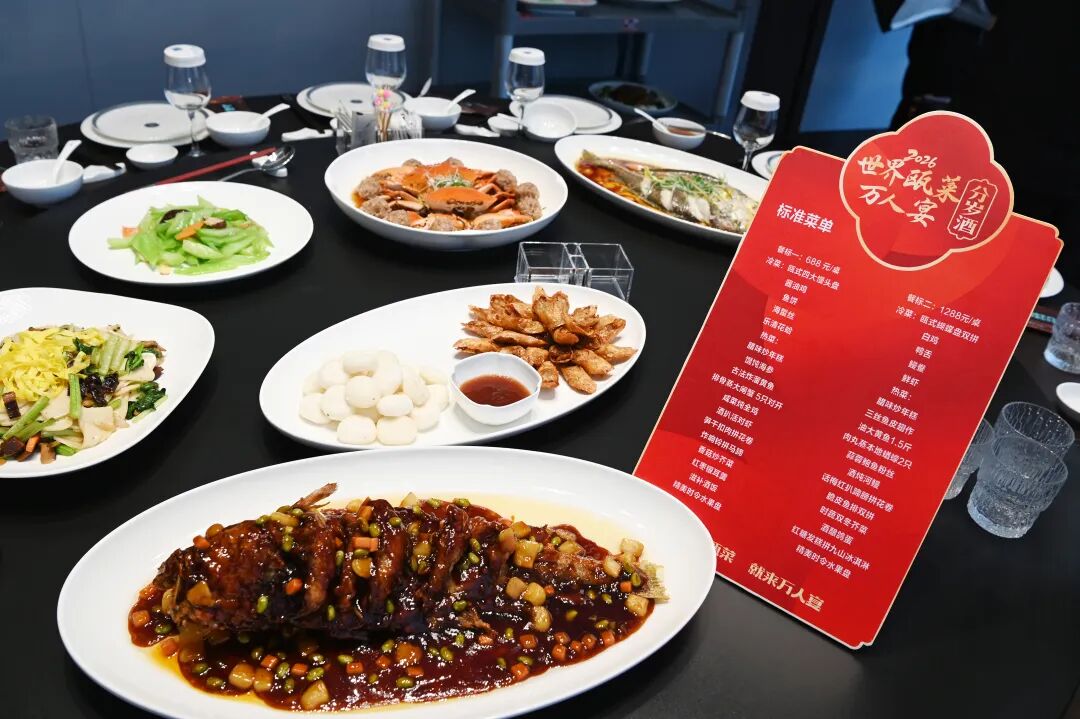
A city that eats after dark, Wenzhou runs on a food calendar of its own: a citywide Ou Cuisine feast in January, restaurant guides in winter and spring, a beachside feast on Dongtou in late summer, a raw-crab dish that made the year's food news, and night markets that never close.
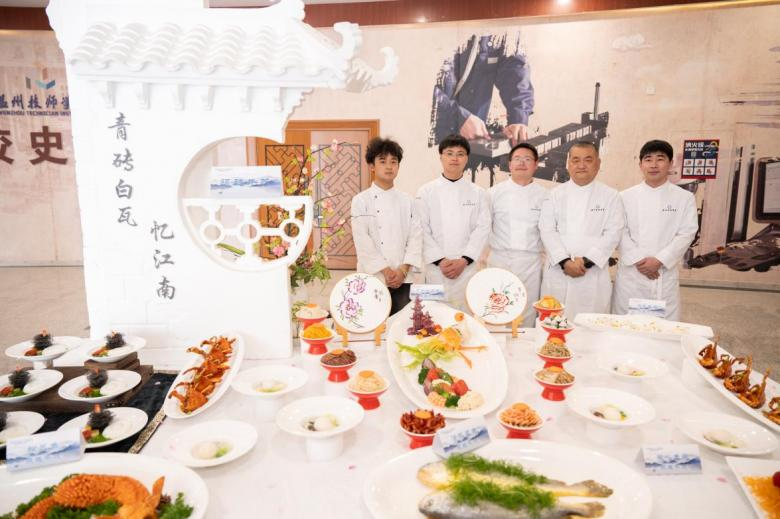
The question is not whether Ou Cuisine is still being taught. It is where, by whom, and what students actually do with their hands before they are allowed near a real stove. In Wenzhou today, the answer lies in a three-tiered pipeline — each tier aimed at a different kind of cook.
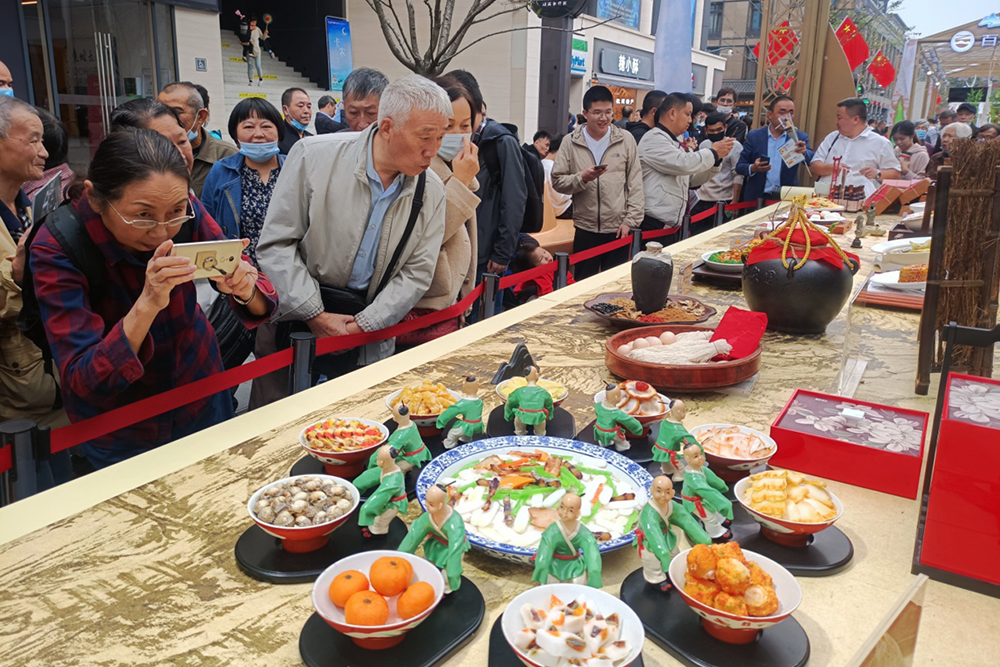
For most of its history, Ou Cuisine was transmitted the way a grandmother teaches a grandchild: by hand, by taste, without a written recipe. The food existed. The documentation did not. Three kinds of research output have tried to fix that.
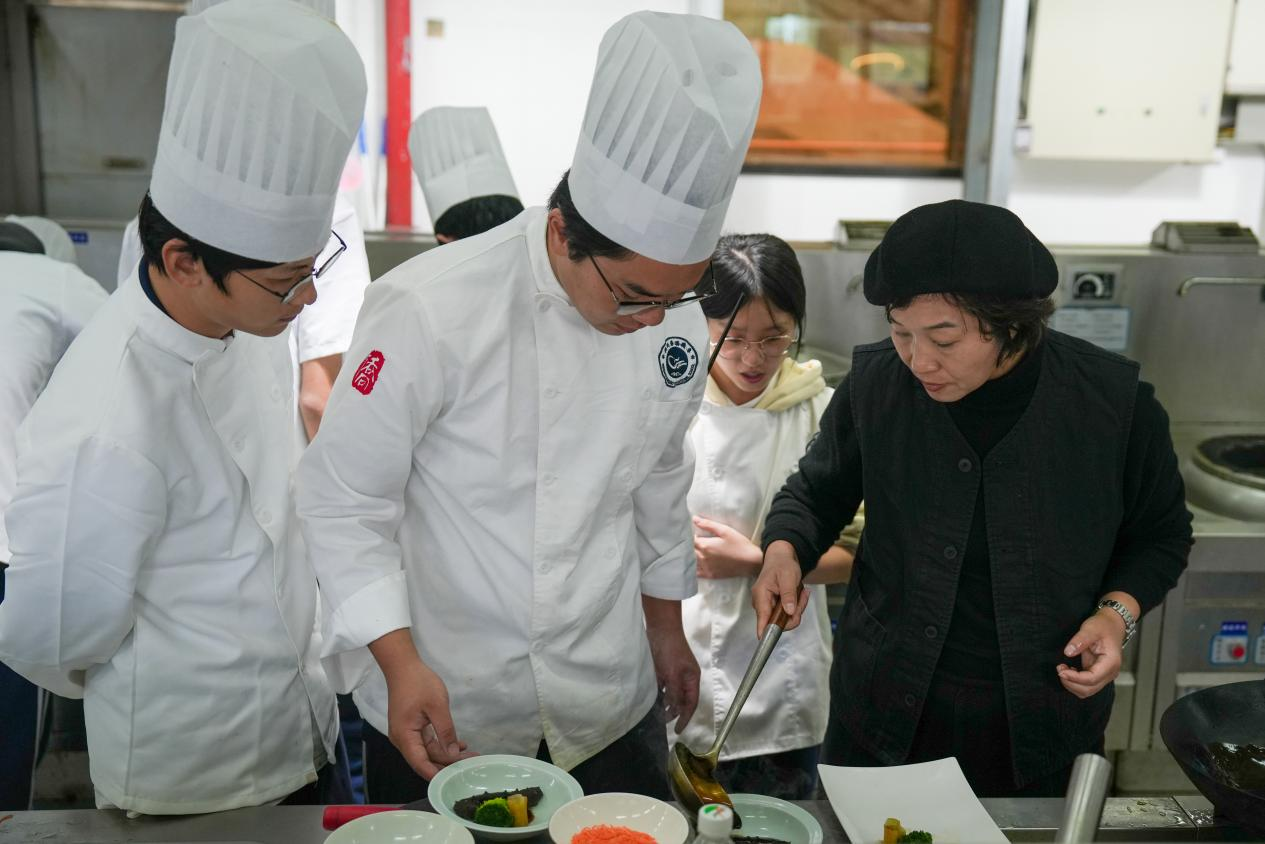
The gap between a cooking school and a commercial kitchen is not distance. It is the difference between making a dish for a grade and making it for someone who pays. In Wenzhou, three schools have tried to close that gap in three very different ways.
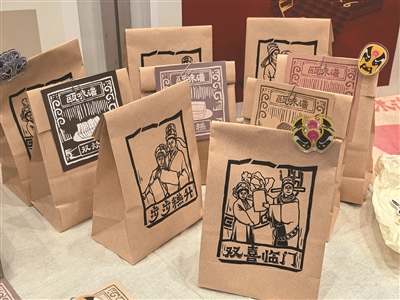
The question is not whether Wenzhou has a culinary culture worth commercializing— it has been selling duck tongues and smoked chicken for decades. The real question is what happens when a city decides that a snack bag can carry a port’s history, a piece of pastry can showcase an opera mask, and a teacup can embody a thousand-year-old kiln.
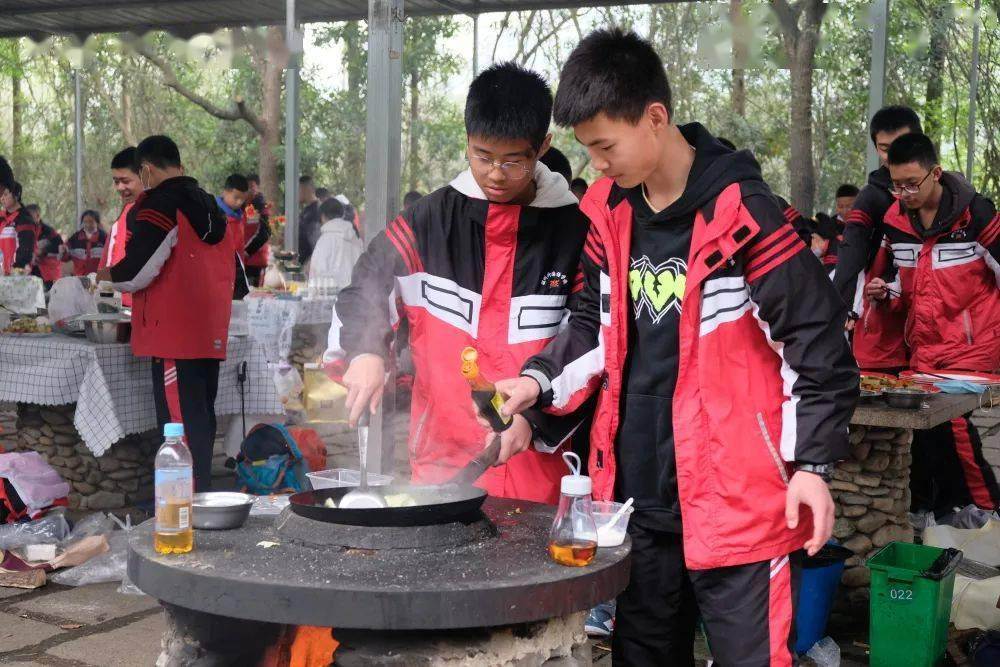
In Wenzhou, kids learn what their city tastes like in a classroom, at a market, or beside a woman who spent decades cooking aboard fishing boats. The question is not whether food education exists. It is who delivers it, and where it happens.
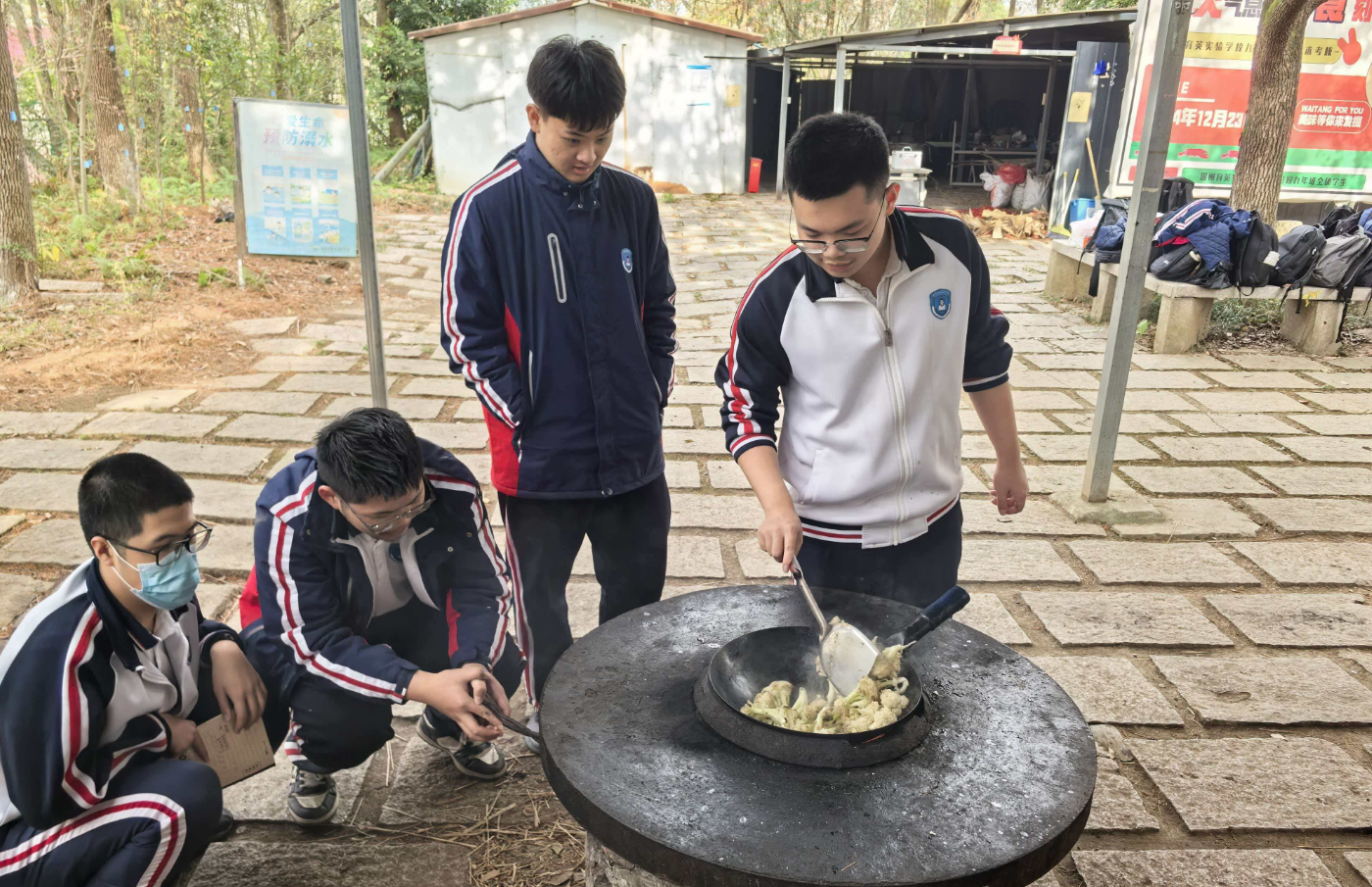
In Wenzhou, a child can learn what their city tastes like in a classroom, in a market, or standing at a stove next to a woman who has cooked on fishing boats for decades. The question is not whether food education exists. It is who teaches it, and where the classroom is.