

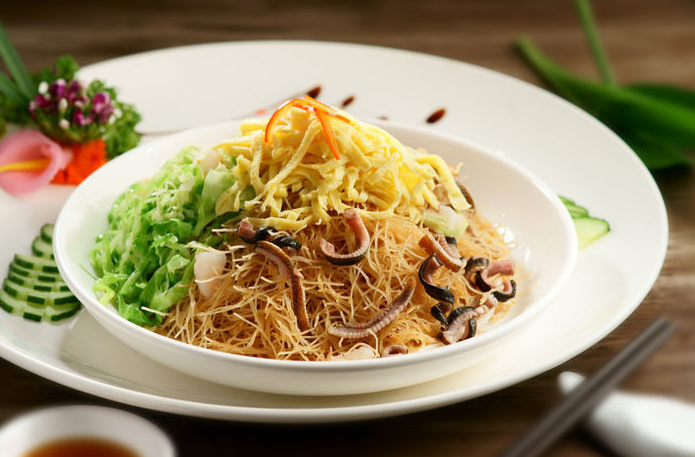
Wenzhou's autumn is registered on the table before it reaches the calendar. The Mid-Autumn family feast runs on a fixed triangle — old duck, taro and rice noodles — behind which sits a legend of rebellion, and at its centre is the season's best fish: the "osmanthus croaker" that returns to Wenzhou's waters every eighth lunar month.
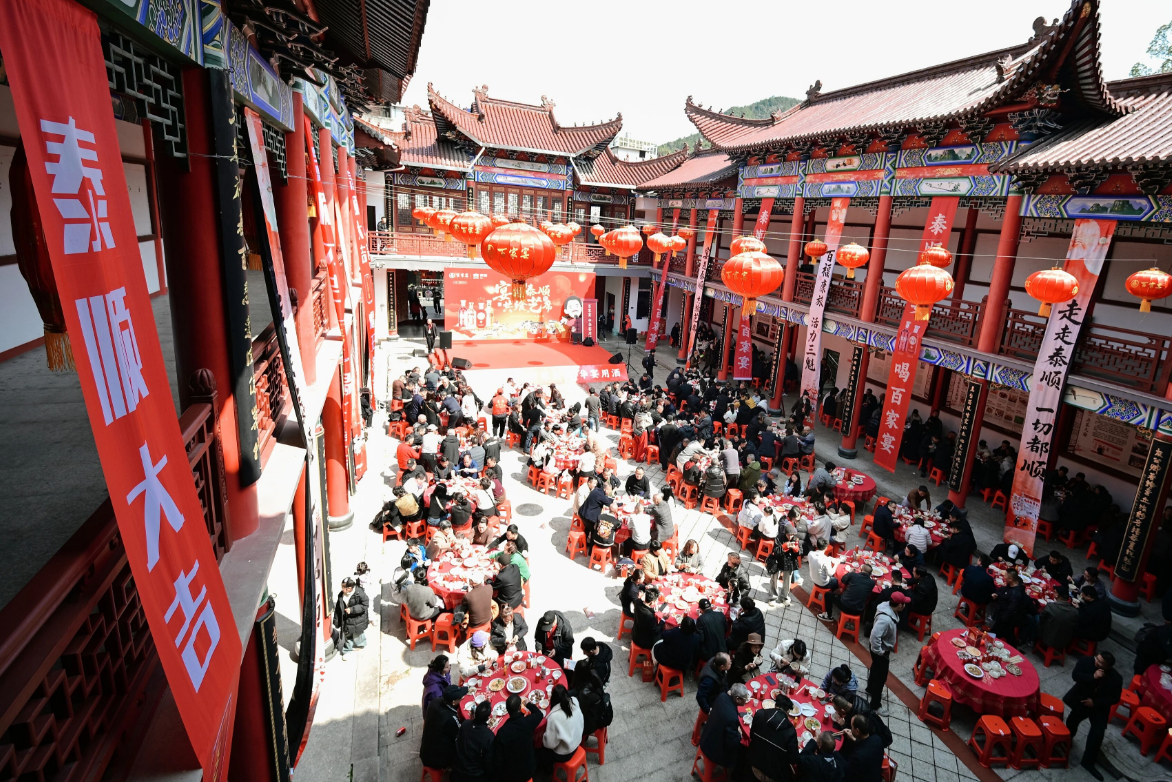
On the fifteenth day of the first lunar month, Wenzhou does not celebrate with tangyuan — that belongs to the Winter Solstice. The city steps out instead: streets fill with banquet tables, a hundred families eat from the same pot, and children go door to door collecting "cleverness" from their neighbours' pockets.
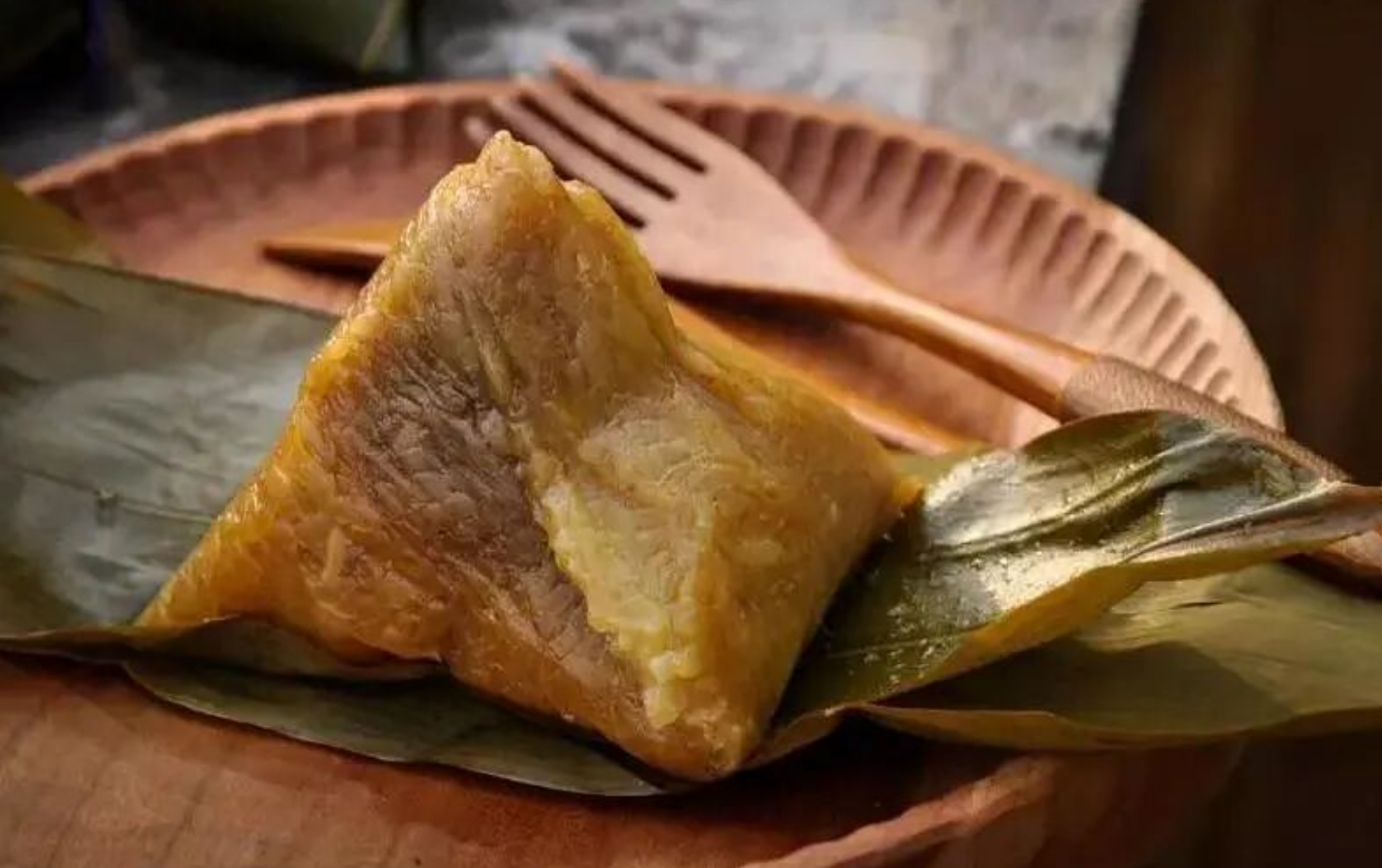
In Wenzhou, the fifth day of the fifth lunar month is defined by scent: the briny freshness of yellow croaker, bamboo leaves, realgar wine, and mugwort mixed into May's humidity. Locals call it "Chongwu" — marking it with an eight-dish seasonal code, a traditional method of making rice dumplings, and a strict rule about enjoying the year's first yellow croaker.
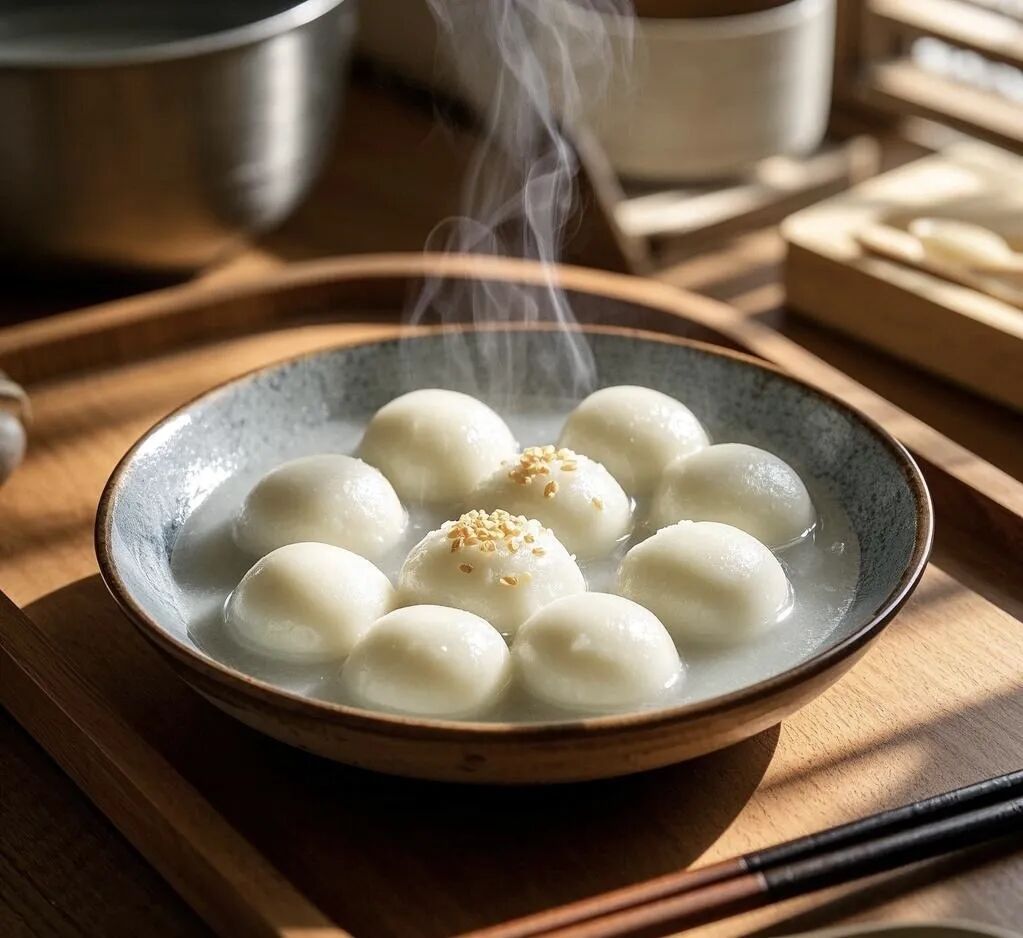
Wenzhou treats the Winter Solstice like the New Year — "the Winter Solstice is as important as the New Year," as the saying goes. Every household rolls tangyuan, pounds maci (a kind of glutinous rice cake), honours its ancestors and sits down to a family meal. One bowl of these soft glutinous dumplings down, and by local reckoning, the whole family is officially a year older.
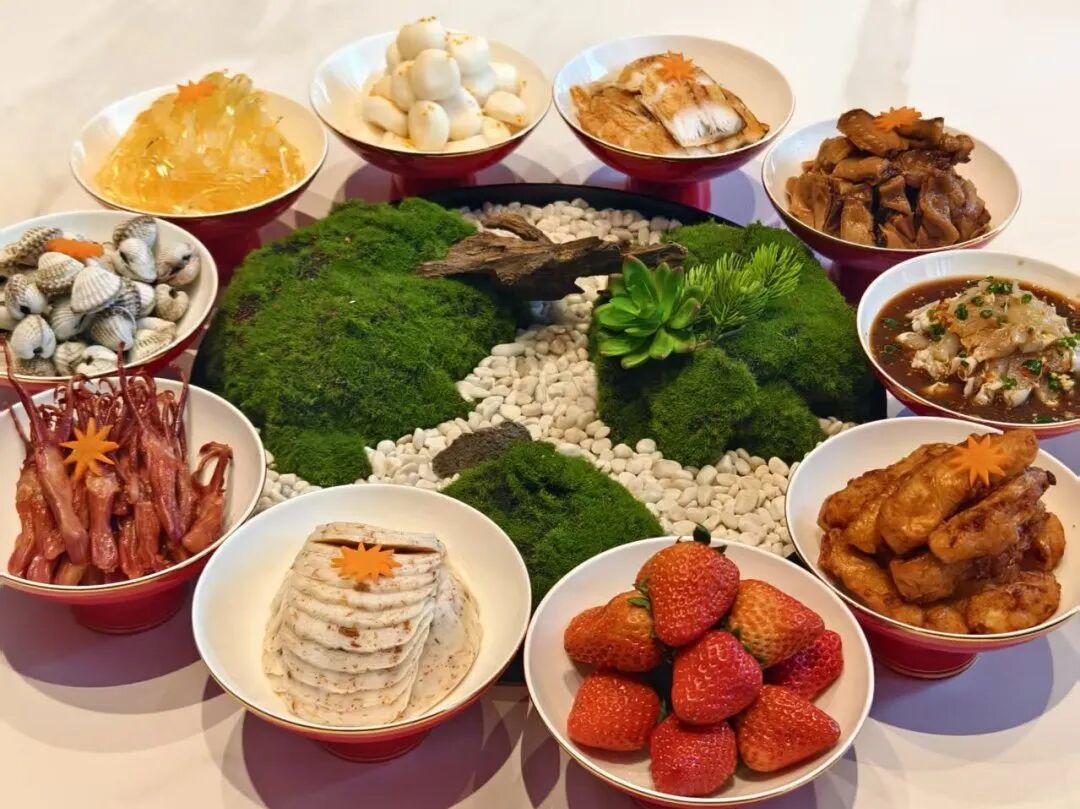
In Wenzhou, New Year's Eve dinner has a name of its own: Fensui Jiu, the "year-dividing feast." Ten cold dishes in vermilion high-footed bowls, ten hot courses in a fixed order, a door shut against the old year — the meal is a script for family ritual.
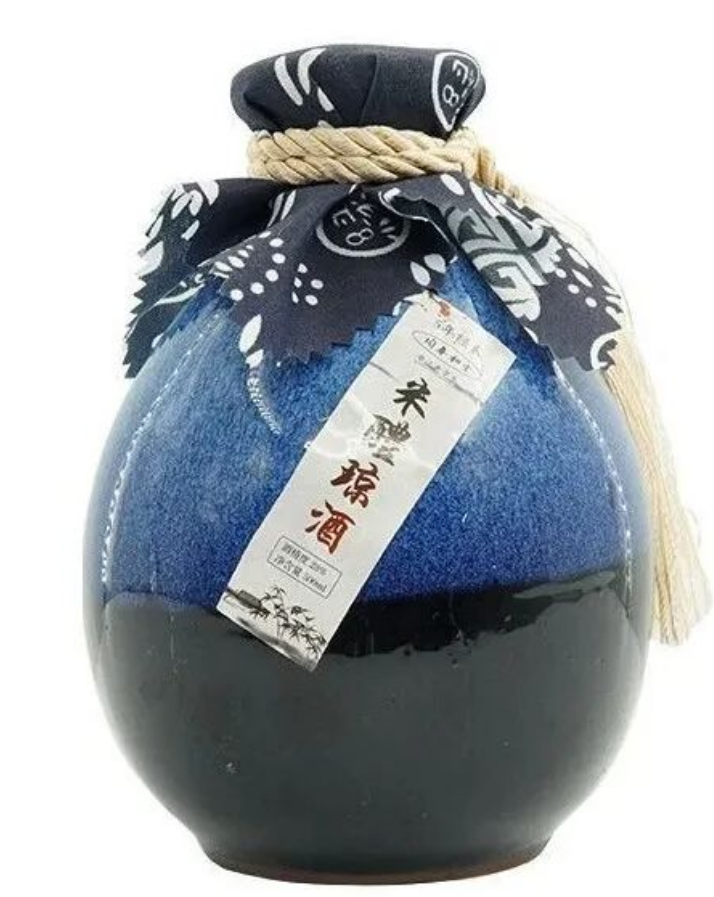
Wenzhou's culinary heritage extends far beyond a single recipe — it is an entire ecosystem of craftsmanship: the refined techniques of Ou Cuisine, the 8,000-stroke "meat swallow" of Alum Mountain, intentionally irregular fish balls, ash-soaked rice dumplings, and ginger steamed and sun-dried nine times over. This guide maps the city's official intangible food heritage, tracing its path from wok to workshop.
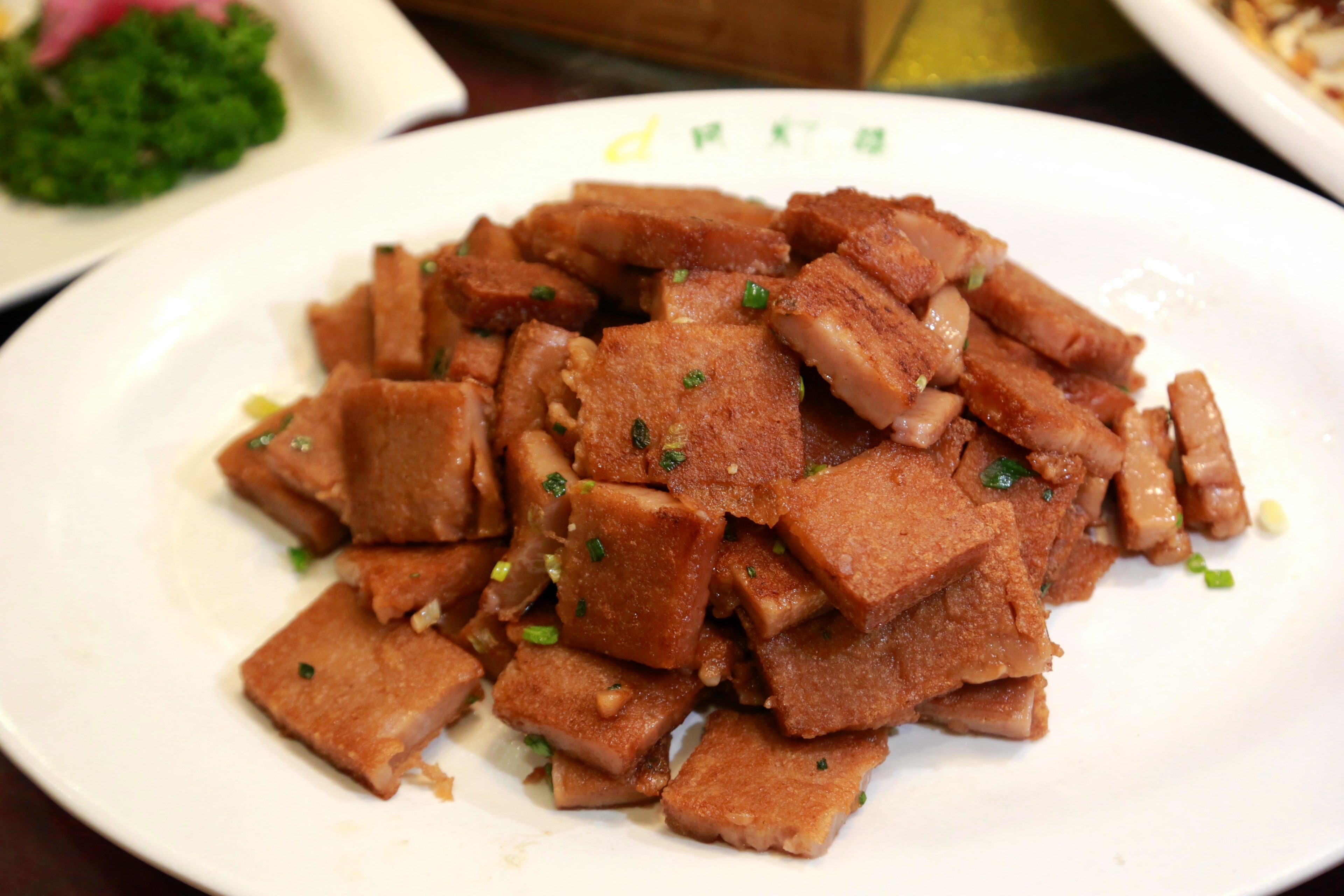
Wenzhou's culinary heritage extends far beyond a single recipe — it is an entire ecosystem of craftsmanship: the refined techniques of Ou Cuisine, the 8,000-stroke "meat swallow" of Alum Mountain, intentionally irregular fish balls, ash-soaked rice dumplings, and ginger steamed and sun-dried nine times over. This guide maps the city's official intangible food heritage, tracing its path from wok to workshop.
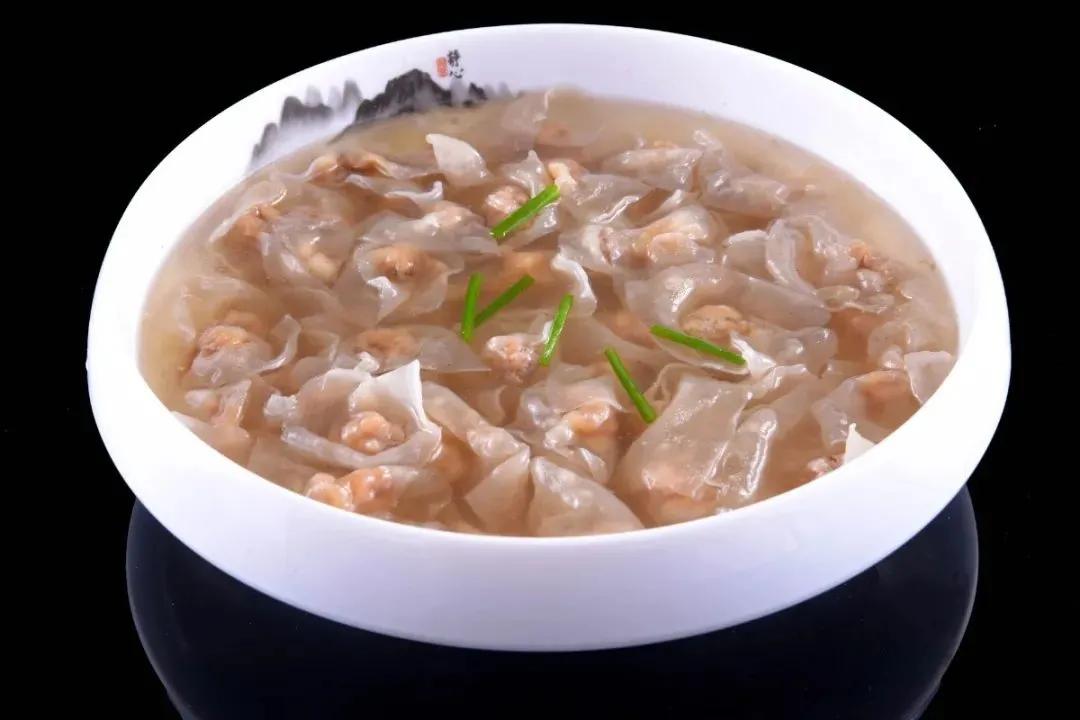
Wenzhou's culinary heritage extends far beyond a single recipe — it is an entire ecosystem of craftsmanship: the refined techniques of Ou Cuisine, the 8,000-stroke "meat swallow" of Alum Mountain, intentionally irregular fish balls, ash-soaked rice dumplings, and ginger steamed and sun-dried nine times over. This guide maps the city's official intangible food heritage, tracing its path from wok to workshop.
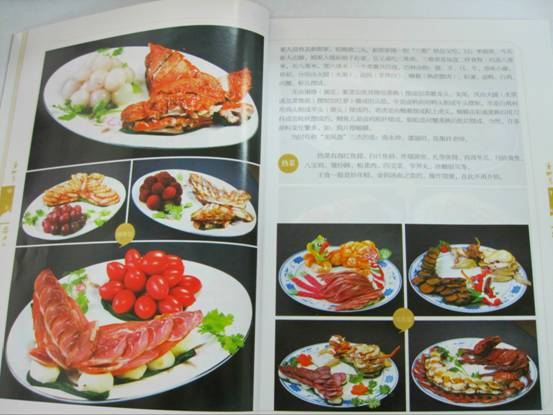
Wenzhou's culinary heritage extends far beyond a single recipe — it is an entire ecosystem of craftsmanship: the refined techniques of Ou Cuisine, the 8,000-stroke "meat swallow" of Alum Mountain, intentionally irregular fish balls, ash-soaked rice dumplings, and ginger steamed and sun-dried nine times over. This guide maps the city's official intangible food heritage, tracing its path from wok to workshop.
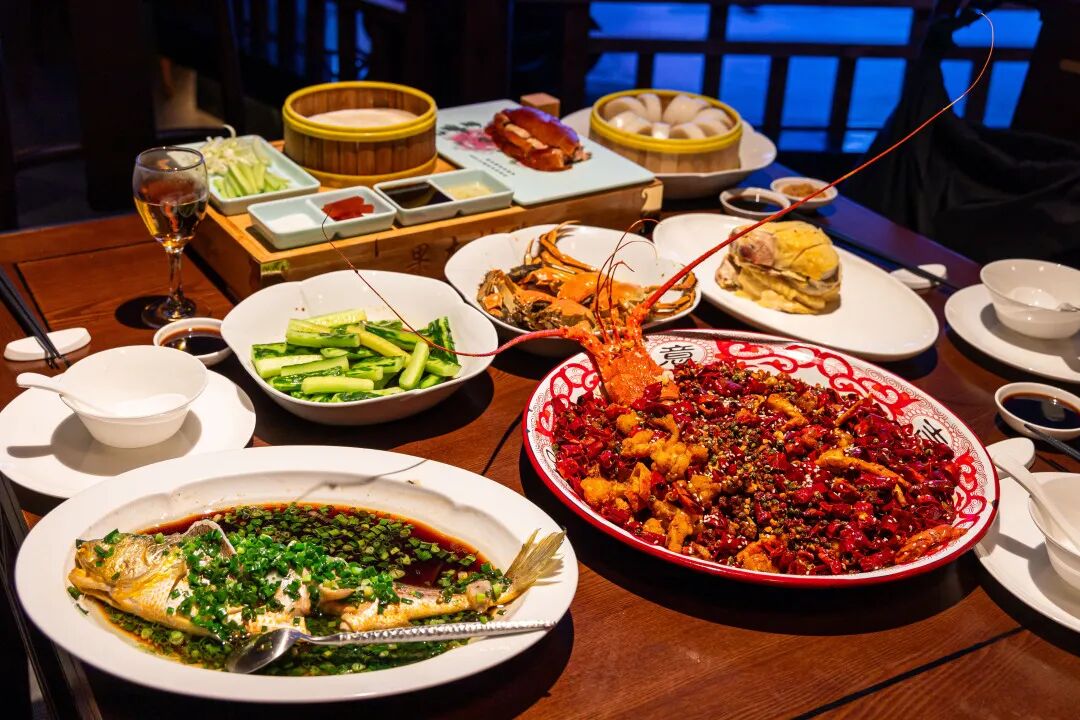
Wenzhou has been pairing its culinary heritage with the arts for decades — from a banquet inspired by ancient Nanxi opera and poetry feasts where verses precede every dish, to a jar of fish preserve passed between exiled poets and rice dough sculpted into "edible art toys." Here is how the coastal city blends food with creative culture.